
The No Contact Rule: A Path to Healing and Closure
Ending a relationship, whether romantic, platonic, or familial, can be a deeply painful and emotionally taxing experience. The abrupt cessation of shared experiences, intimacy, and communication can leave a void that is difficult to navigate. In the wake of such a break-up, the urge to reach out, to seek explanation or reconciliation, can be overwhelming. It is during these moments that the "No Contact Rule" emerges as a potential path to healing and closure.
Understanding the No Contact Rule
The No Contact Rule mandates complete cessation of communication with the individual you've parted ways with. This encompasses all forms of contact, including phone calls, texts, social media interactions, emails, and even indirect communication through mutual friends. The duration of this period can vary, with experts typically recommending a minimum of 30 days and a maximum of 90 days. However, it's crucial to remember that this is a general guideline, and the ideal duration will vary depending on individual circumstances and the depth of the relationship.
The Benefits of No Contact
While the No Contact Rule might seem drastic, it provides a structured framework for emotional processing and personal growth. It is a deliberate act of self-care that allows individuals to:
1. Gain Emotional Distance and Perspective
Constant communication can perpetuate the emotional cycle of hurt and longing, hindering the process of healing. By severing the connection, individuals create the space needed for emotional detachment. This distance allows them to begin processing their feelings objectively, without the influence of immediate emotional reactions.
2. Reduce the Potential for Further Pain
Reaching out to an ex, even with the best intentions, can often lead to further heartache. Unanswered calls, ignored messages, or hurtful responses only exacerbate the pain and delay the healing process. The No Contact Rule prevents these unnecessary emotional wounds, allowing individuals to focus on their own emotional well-being.
3. Break the Cycle of Dependency
Relationships often create patterns of dependence, where individuals rely on their partner for emotional validation, support, and a sense of belonging. The No Contact Rule helps break this dependency. It forces individuals to confront their own needs and find solace within themselves. This self-reliance fosters a sense of independence and emotional maturity.
4. Improve Self-Awareness and Personal Growth
The period of No Contact becomes a time for introspection and self-discovery. With the absence of external distractions, individuals can delve into their own thoughts and emotions. They can identify their patterns, triggers, and areas for personal growth. This self-reflection is essential for moving forward in a healthy and fulfilling manner.
5. Gain Clarity on the Relationship
Often, the intensity of emotions can cloud judgment. The No Contact Rule allows individuals to step back and gain a clearer perspective on the relationship. They can reflect on the dynamics, the roles played, and the lessons learned. This clarity is essential for making informed decisions about the future.
6. Develop Coping Mechanisms
The No Contact Rule forces individuals to confront their emotional vulnerabilities and develop healthy coping mechanisms. They learn to manage their feelings without relying on external validation. This resilience is crucial for navigating future relationships and life challenges.
Implementing the No Contact Rule
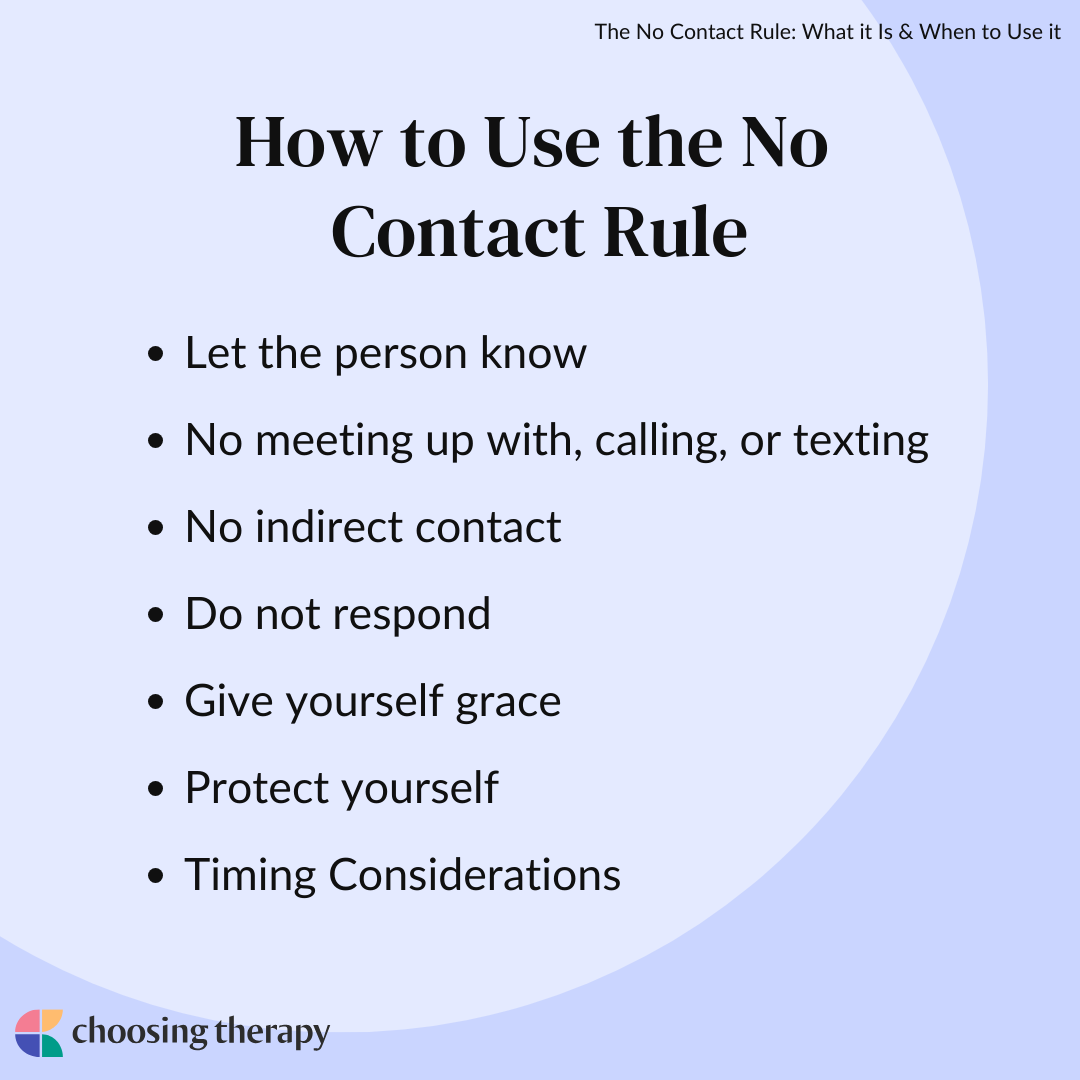
While the concept of No Contact might seem straightforward, its successful implementation requires commitment and self-discipline. To maximize its benefits, individuals should consider these practical steps:
1. Block Communication Channels
To avoid temptation and accidental contact, it's essential to block all communication channels. This includes blocking phone numbers, unfollowing on social media, deleting emails, and even disabling location services to prevent accidental encounters.
2. Avoid Mutual Friends
Communication through mutual friends can undermine the effectiveness of the No Contact Rule. It's best to avoid conversations about the ex, as they can trigger emotional reactions and delay the healing process.
3. Focus on Self-Care
The period of No Contact is a time for prioritizing self-care. Engage in activities that nurture your emotional well-being. This could include exercise, meditation, spending time in nature, pursuing hobbies, or connecting with supportive friends and family.
4. Seek Support
Navigating the emotions associated with a break-up can be overwhelming. Seeking support from a therapist, counselor, or trusted friend can provide a safe space for processing feelings and developing healthy coping mechanisms.
5. Practice Mindfulness
Mindfulness techniques, such as meditation or deep breathing exercises, can help manage intrusive thoughts and emotional urges. Focusing on the present moment allows individuals to ground themselves and navigate the emotional waves of the break-up.
Beyond the No Contact Rule
The No Contact Rule is a tool for healing and growth, not a magic bullet. While it can provide valuable space for emotional processing, it's crucial to recognize that it is not a permanent solution. After the designated period, individuals must move forward with a renewed sense of self-awareness and a commitment to healthy relationships.
If the goal is reconciliation, the No Contact Rule can facilitate a more meaningful conversation. It allows both parties to reflect on their roles in the relationship and approach reconciliation with a greater understanding of their needs and expectations. However, it's important to remember that reconciliation is not always the best course of action. Sometimes, the No Contact Rule helps individuals realize that moving on is the most healthy and fulfilling path.
The No Contact Rule is ultimately a personal journey of healing and self-discovery. It offers a structured framework for processing pain, gaining perspective, and reclaiming one's emotional well-being. By embracing this period of self-reflection, individuals can emerge stronger, more resilient, and ready for a brighter future.


No comments:
Post a Comment
Note: Only a member of this blog may post a comment.